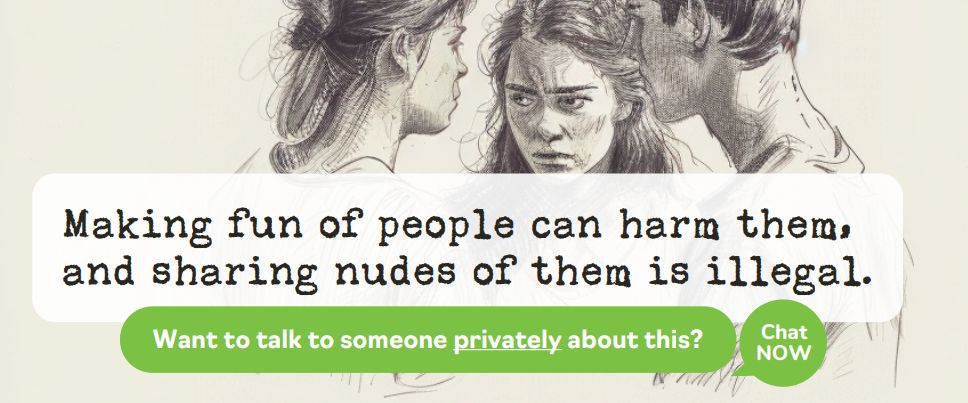
Warning messages have been shown to have a deterrence effect on users attempting to access child sexual abuse material (CSAM). The CSAM Deterrence Centre has been established to drive the adoption of warning messages by technology providers and other organisations, increasing awareness of the harm caused by CSAM and deterring individuals from engaging with it. Through increased awareness and reduced offending, we can protect children around the globe from abuse.
The following case studies provide an explanation of the evidence for the impact of warning messages. As the CSAM Deterrence Centre undertakes its work, it will expand this evidence base further and add additional case studies from technology providers who share their experiences in fighting online child abuse.
Randomised Controlled Trials
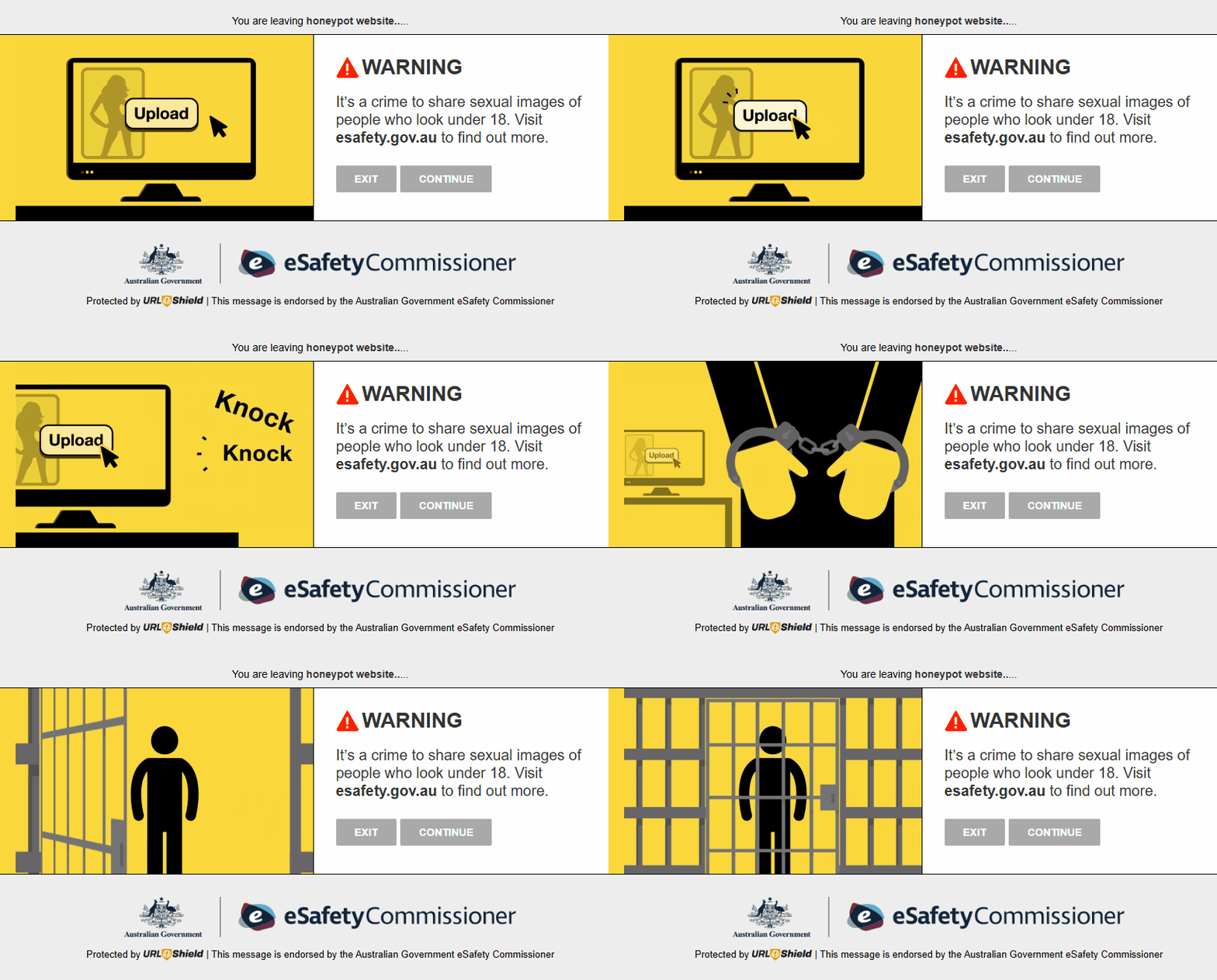
The University of Tasmania has undertaken a series of three randomised control trials evaluating the effectiveness of warning messages. The first two focused on deterring users from accessing CSAM-adjacent content, testing both law enforcement and therapeutic messages. A third trial examined the effectiveness of a warning in deterring the sharing of non-consensual sexual imagery.
The reThink Chatbot
The reThink Chatbot was deployed on the Pornhub website in the United Kingdom in March 2022 and represents a significant intervention aimed at reducing the demand for CSAM and directing individuals to support services. This study is the first to occur on a large technology platform, that has been publicly evaluated for its effectiveness in deterring users from attempting to access CSAM.

Adolescent Perceptions of Warning Messages
This study explored how adolescents perceive online warning messages designed to address problematic online behaviours such as the viewing or sharing of CSAM, image-based abuse (IBA), cyberbullying and sexual extortion. It examined this in the context of offenders, victims and bystanders, finding positive perceptions and engagement with the warning messages across all three categories, but particularly with victims and bystanders.